
DR CHEW-LIN YIP | UROLOGIST
Whole-Gland Prostate Brachytherapy
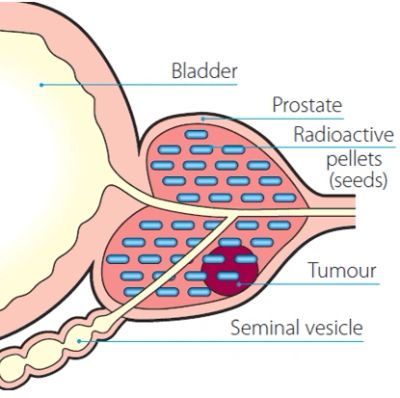
What is whole-gland brachytherapy?
Brachytherapy is internal radiotherapy in which a radiation source is placed within the prostate. Whole-gland brachytherapy is planned to treat the prostate throughout, rather than only one selected area. This page focuses on low-dose-rate permanent seed brachytherapy, in which small sealed radioactive sources remain in the prostate and their radiation gradually decreases over time.
Who may be considered?
Permanent seed brachytherapy may be considered for selected patients with localised prostate cancer, commonly low-risk or favourable intermediate-risk disease, and satisfactory urinary function. Prostate size and anatomy, urinary symptoms, previous prostate procedures, cancer grade and stage, general health and personal priorities all affect suitability.
Planning and treatment
Assessment usually includes review of PSA, biopsy and imaging, together with urinary function and a prostate volume study. A urologist, radiation oncologist and medical physicist use this information to plan treatment. During the procedure, fine needles are passed through the perineum under anaesthetic and ultrasound guidance to place the planned seeds. There are no abdominal incisions.
Potential benefits and limitations
Placing radiation within the prostate allows the dose to be planned close to the gland while limiting exposure to nearby tissues. This does not make treatment risk-free, and brachytherapy is not appropriate for every patient. It should be compared with active surveillance, prostatectomy, external beam radiotherapy and, where relevant, combined treatment.
Possible side effects and follow-up
Temporary urinary frequency, urgency, burning and a weaker stream are common. Urinary retention can occur and may require a catheter. Bruising, discomfort, blood in the urine or semen, bowel symptoms and changes in erectile or ejaculatory function are also possible. Follow-up includes clinical review and PSA testing; PSA usually falls gradually and can fluctuate after radiotherapy.
Discussing brachytherapy
An individual assessment is required to determine whether whole-gland brachytherapy is a reasonable option for you. Your treating specialists should discuss the alternatives, expected benefits, limitations and possible side effects. This information is general and does not replace personal medical advice. No treatment can guarantee cancer control or freedom from side effects.